Potential medical complications in children with achondroplasia
Obstructive sleep apnea
(6 TO 12 YEARS)
What is it?
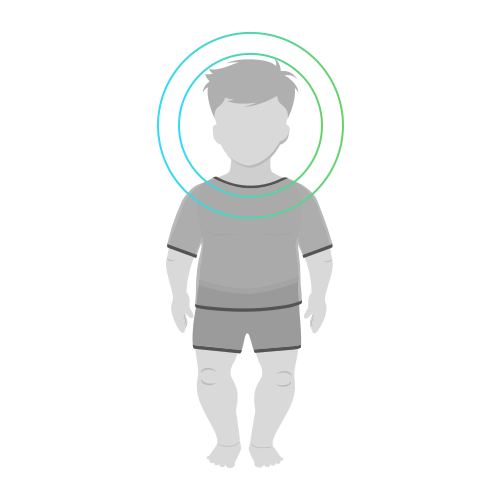
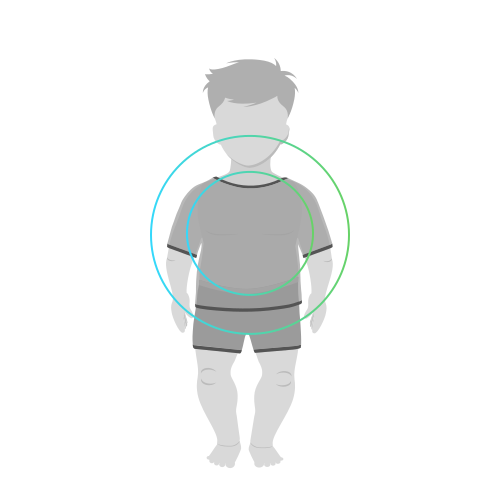
Obstructive sleep apnea (OSA) is when breathing stops and starts during sleep because part of the airway gets blocked. This can happen if the airway is small (often due to a flatter shape of the nose), the breathing muscles are weak, or there is extra tissue in the back of the nose or throat. Although it is rarely life-threatening, OSA may cause problems with behavior, learning, and the heart.
Note: There is also a type of sleep apnea called central apnea, which is caused by the brain not sending the right signals to control breathing, but this is very uncommon in older children. For more information, see Sleep Apnea in infants and toddlers.
Possible symptoms
- Snoring
- Observable pauses in breathing
- Deep sighs
- Choking
- Gasping sounds during sleep
- Frequent wake-ups or restless sleep
- Daytime sleepiness
- Difficulty paying attention
- Hyperactivity
- Poor academic performance
- Depression
These are not all the symptoms of OSA. Some of these symptoms may indicate another disease or condition. Only a doctor can diagnose OSA. If you have any questions about what your child is experiencing, please talk to their health care provider.
How is it found?
Diagnosis is made by a pediatric pulmonologist or ear, nose, and throat (ENT) specialist and involves an overnight sleep study (polysomnography).
How is it managed?
Treatment may include surgery to remove the adenoids and/or tonsils, use of continuous positive airway pressure (CPAP), bilevel positive airway pressure (BiPAP), and/or oxygen therapy. In rare cases, facial or jaw surgery may be considered. It is important to consult with a skeletal dysplasia expert before pursuing this option.
Narrowing of the spinal canal
(6 TO 12 YEARS)
What is it?
Narrowing of the space around the spinal cord that can put pressure on the spinal cord and nerves (also called spinal stenosis).
Note: Spinal stenosis is not common in children but becomes more common in adulthood. Regular monitoring is important so that any symptoms can be addressed early, if needed. For more information, see Narrowing of the Spinal Canal in teens. This age group may also continue to be monitored for foramen magnum stenosis, which is uncommon at this age but can still occur. Learn more about Foramen Magnum Stenosis during early childhood.
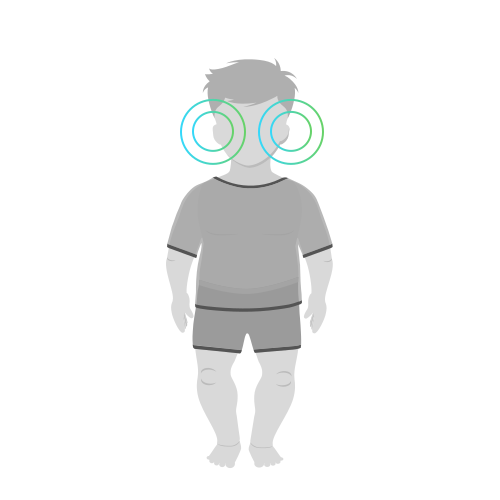
Ear infections or fluid buildup
(6 TO 12 YEARS)
What is it?
Fluid can build up in the middle ear with or without an infection. When this fluid lasts a long time or returns often, it may be chronic or recurrent otitis media. If the fluid is present but there are no signs of infection—such as pain or fever—it may be otitis media with effusion.
In some cases, these conditions can cause hearing problems and/or a delay in language development. They affect more than 25% of children with achondroplasia.
Possible symptoms
- Ear pain and/or discharge
- Difficulty hearing
- Language delay
- Fever
- Vomiting
- Clumsiness
- Disturbed sleep
These are not all of the symptoms of chronic or recurrent otitis media or otitis media with effusion. Some of these symptoms may indicate another condition. Only a doctor can diagnose these conditions. If you have any questions about what your child is experiencing, please talk to their health care provider.
How is it found?
Diagnosis is made by a pediatrician or an otolaryngologist (also known as an ear, nose, and throat/ENT specialist) using a device called an otoscope to look inside the child’s ear.
How is it managed?
Treatment is typically provided by an otolaryngologist/ENT specialist and may include
- Antibiotics (for severe, persistent, or recurrent infections)
- Ear tubes to help drain fluid and prevent infections*
- Surgery to remove adenoids, which are glands in the back of the nose to help internal ear drainage
- Hearing aids, if your child has hearing loss that is not helped by surgery or affects their learning or daily functioning
*Note: For children with achondroplasia, ear tube insertion should ideally be performed by a provider familiar with their unique ear and airway anatomy.
Sweating
(6 TO 12 YEARS)
What is it?
Excessive sweating (also called perspiration), which may be worse during sleep.
Possible symptoms
- Damp or wet skin, hair, clothing, and/or bed sheets
How is it found?
Formal diagnosis is not typically needed and it is usually observed by parents at home.
How is it managed?
Treatment is not typically needed. Light, breathable clothing and blankets may help reduce nighttime sweating. If sweating is related to sleep apnea, a pediatric pulmonologist may help guide treatment.
Most sweating does not indicate a serious medical problem; however, if your child is sweating while eating and/or having trouble breathing when they sleep, medical guidelines recommend they have an overnight sleep study (polysomnography).
Bowed legs
(6 TO 12 YEARS)
What is it?
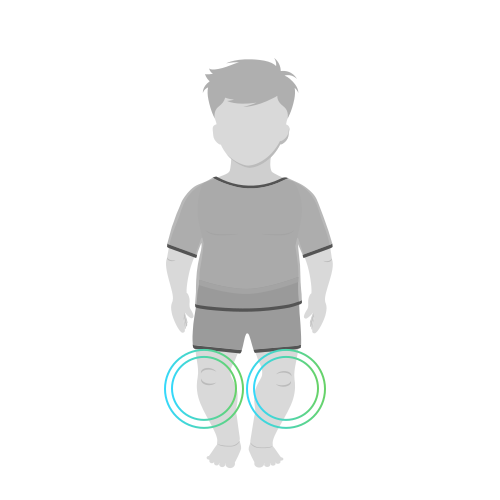
Bowing at the knees or lower legs (also called genu varum) occurs in about 4 in 10 children with achondroplasia.
Possible symptoms
- Bowing at the knees or lower legs when standing or walking
- Differences in walking (including instability)
- Knee or lower leg pain
Only a doctor can diagnose genu varum. If you have any questions about what your child is experiencing, please talk to their health care provider.
How is it found?
Diagnosis is made by a pediatric orthopedic specialist/surgeon using clinical measurements, X-rays, or through evaluation of their walking.
How is it managed?
Most children with bowed legs will not need treatment. If treatment is required, it typically involves surgery to straighten the leg bones. About 20% of children with achondroplasia undergo this surgery within their first 10 years. Ask your child’s doctor about specialists with experience doing this procedure in people with achondroplasia.